
Table of Contents
- Easton Addition at a Glance: Why This Neighborhood Stands Out
- Why 25% of Burlingame Buyers Target Easton Addition
- The Story Behind the Name: A Quick History of Easton Addition
- Easton Addition Market Snapshot: Home Prices, Lot Sizes, and Trends
- Neighborhood Amenities
- Inside an Easton Addition Home: What Buyers Typically See
- Buying in Easton Addition: Practical Things to Know
- A Quick Buyer Checklist Before Touring Easton Addition Homes
- Easton Addition vs. Burlingame’s Most Expensive Neighborhood: Key Differences
- Easton Addition Home Prices: What Buyers Should Expect
- FAQs About Burlingame's 2nd Most Expensive Neighborhood
- Common Renovation and Expansion Opportunities in Easton Addition
- Final Notes
Easton Addition at a Glance: Why This Neighborhood Stands Out
Easton Addition is the neighborhood that regularly ranks right behind the most expensive neighborhood in Burlingame. Its appeal goes beyond price: architectural variety, mature trees, larger lots, and a highly walkable, friendly vibe combine to create a place where roughly 25% of Burlingame home sales take place. The mix of period Tudors, Craftsman bungalows, Spanish‑inspired homes and thoughtfully designed new construction gives the streetscape a layered, lived‑in charm that appeals to buyers who want character without sacrificing modern comforts. Lots tend to be deeper here—many around 6,000 square feet—so buyers get more outdoor space, privacy and the potential to add ADUs or build substantially larger homes, which helps explain the neighborhood’s strong market position. Beyond the houses themselves, Easton Addition’s mature canopy, nearby parks and convenient access to Broadway, Burlingame Plaza and transit create a day‑to‑day lifestyle that families and commuters both prize. Whether you’re drawn to original hardwood floors and arched doorways or to open‑plan kitchens and three‑thousand‑square‑foot new builds, Easton Addition consistently delivers options that justify its place just behind Burlingame’s top‑priced pocket. If you’re researching where to focus your search in Burlingame, this guide will walk you through the history, market patterns, neighborhood amenities and what a typical home in Easton Addition offers so you can see why so many buyers make it a priority.
Why 25% of Burlingame Buyers Target Easton Addition
Three big themes explain Easton Addition’s popularity. First, architectural diversity: you’ll find homes from the 1910s, 20s, and 30s alongside modern new builds. Second, lot sizes and square footage tend to be larger here, which pushes values higher and attracts buyers who want room to grow. Third, the neighborhood is mostly flat and walkable, making it appealing to families and commuters alike.
Charm with variety
Historic Tudor, Spanish, Craftsman, and contemporary houses coexist on the same block. The result is a neighborhood with character where old hardwood floors, arched doorways, and original windows sit comfortably next to open-plan kitchens and 3,000 square foot new builds. That mix is one reason Easton Addition rivals the most expensive neighborhood in Burlingame for desirability.
Location and tree canopy
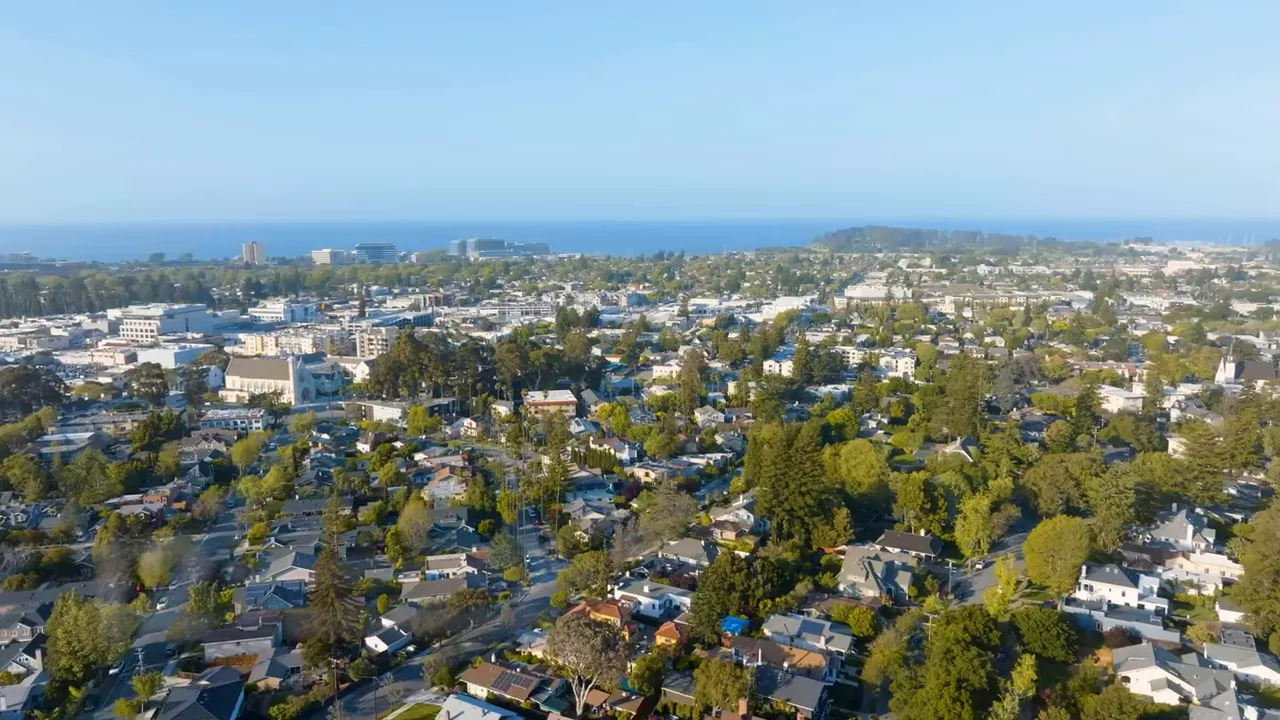
Easton Addition sits west of El Camino Real, south of Ray Park, and north of Burlingame Park, covering roughly 1,500 acres. Burlingame’s reputation as a Tree City USA is on full display here. Mature street trees and leafy yards make strolling through the neighborhood pleasant year-round and add to the residential curb appeal buyers pay for when comparing the most expensive neighborhood in Burlingame and its closest competitors.
The Story Behind the Name: A Quick History of Easton Addition
The neighborhood traces its name to Ansel Easton, whose extensive property formed the early backbone of the area—his holdings covered roughly 1,500 acres of what would later become residential streets and parks. Around the turn of the 20th century there was a small, loosely organized community called Easton, made up of estate parcels, farmed land and a few clustered homes. In 1910, as the nearby town of Burlingame incorporated and municipal services—paved roads, water, sewer and formal schooling—became increasingly important, much of Easton’s land was folded into the growing city; the newly annexed area retained the historic reference in its name, becoming the “Easton Addition.” The “Addition” label is a common municipal-era term for neighborhoods that were annexed or subdivided into an existing city, and in this case it preserves a direct link to the neighborhood’s pre‑city origins. Today that history shows up in more than just a name: lot patterns, some older home footprints, winding creek corridors and the mature tree canopy all echo the original estate landscape. For many buyers and long‑time residents, that sense of continuity—an identifiable local story about how the streets and lots evolved—adds character and helps explain why Easton Addition remains such a desirable place to live, even as new construction and renovations arrive next to century‑old homes.
Easton Addition Market Snapshot: Home Prices, Lot Sizes, and Trends
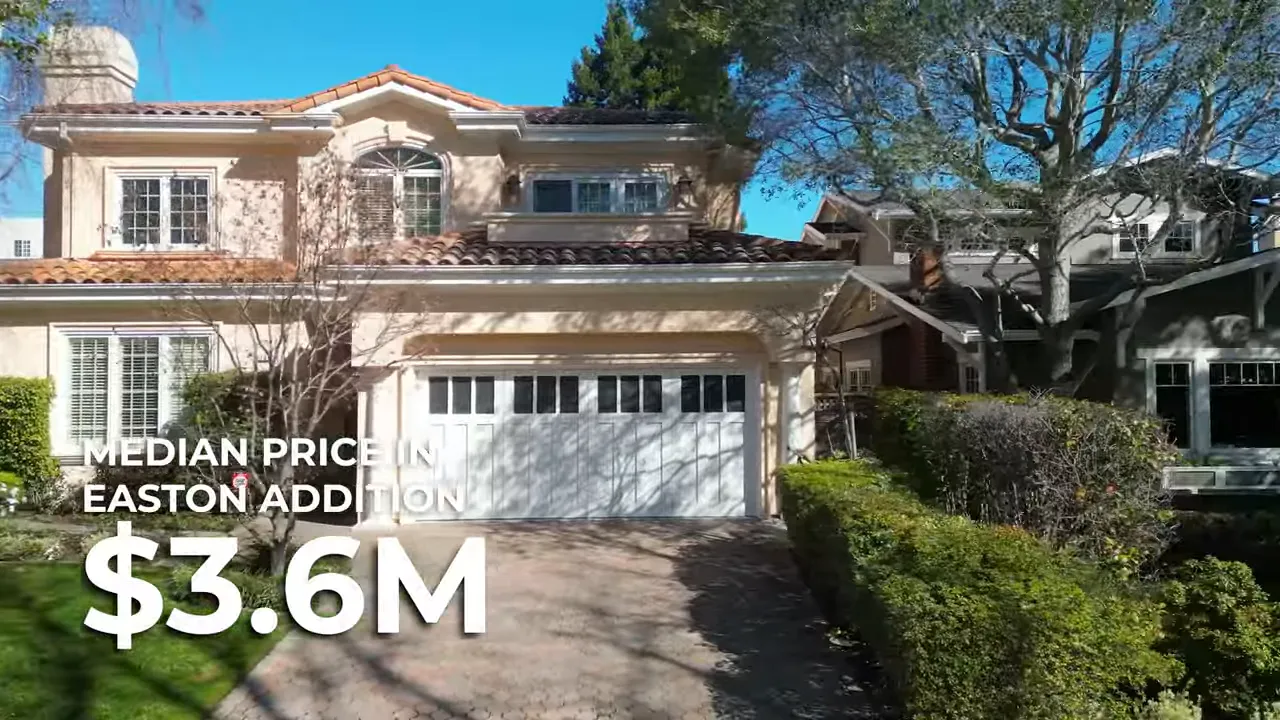
Current median pricing hovers around the mid threes; recent figures in the neighborhood put the median home price around $3.6 million. Easton Addition is the second most expensive pocket of Burlingame after Burlingame Park, and it accounts for a surprisingly large share of the city’s sales activity.
Lot size and new construction
Most lots in Easton Addition are approximately 6,000 square feet—larger than the typical 5,000 foot lots east of El Camino. Because of that lot depth, two-bedroom older homes often get replaced with 3,000 square foot new builds, frequently pushing sale prices into the high fours and fives. New construction in the neighborhood typically lands around the $5 million range, but there is active price movement depending on floor plan and finishes.
Tear-downs, floor plans, and value drivers
A few recurring market realities: two-bedroom cottages are rare and frequently targeted by builders or buyers looking to maximize square footage. Adding a fourth bedroom or converting an attic/bedroom into a dedicated primary suite can add significant value—sometimes as much as a million dollars in difference between similar lots. Open floor plans with the kitchen opening to the backyard are particularly sought after, and homes that offer that layout often trade at premium prices compared to more compartmentalized floor plans.
Neighborhood Amenities
Even though the neighborhood is primarily residential, it is well served by community amenities that matter to families and daily life:
- Schools: Roosevelt Elementary, Hoover Elementary, Lincoln Elementary near Ray Park, and private K–8 options like Our Lady of Angels.
- Library: The eastern branch of the Burlingame public library—part of a well-funded library system recognized for strong per-capita support.
- Shopping and dining: Southern blocks are a short walk to Broadway’s restaurants and shops. The northern edge sits close to Burlingame Plaza for everyday errands.
- Transit: BART and Caltrain access is bikeable or a short walk from much of the neighborhood, making commutes to San Francisco manageable.
Character streets and seasonal culture
Cortez and nearby streets are local highlights during fall because they deliver some of the peninsula’s best trick-or-treat experiences. Big neighborhood events, enthusiastic decorations, and a strong sense of community are the kind of lifestyle touches you won’t see on market stats alone—but they do play into why people choose areas near the most expensive neighborhood in Burlingame.
Inside an Easton Addition Home: What Buyers Typically See
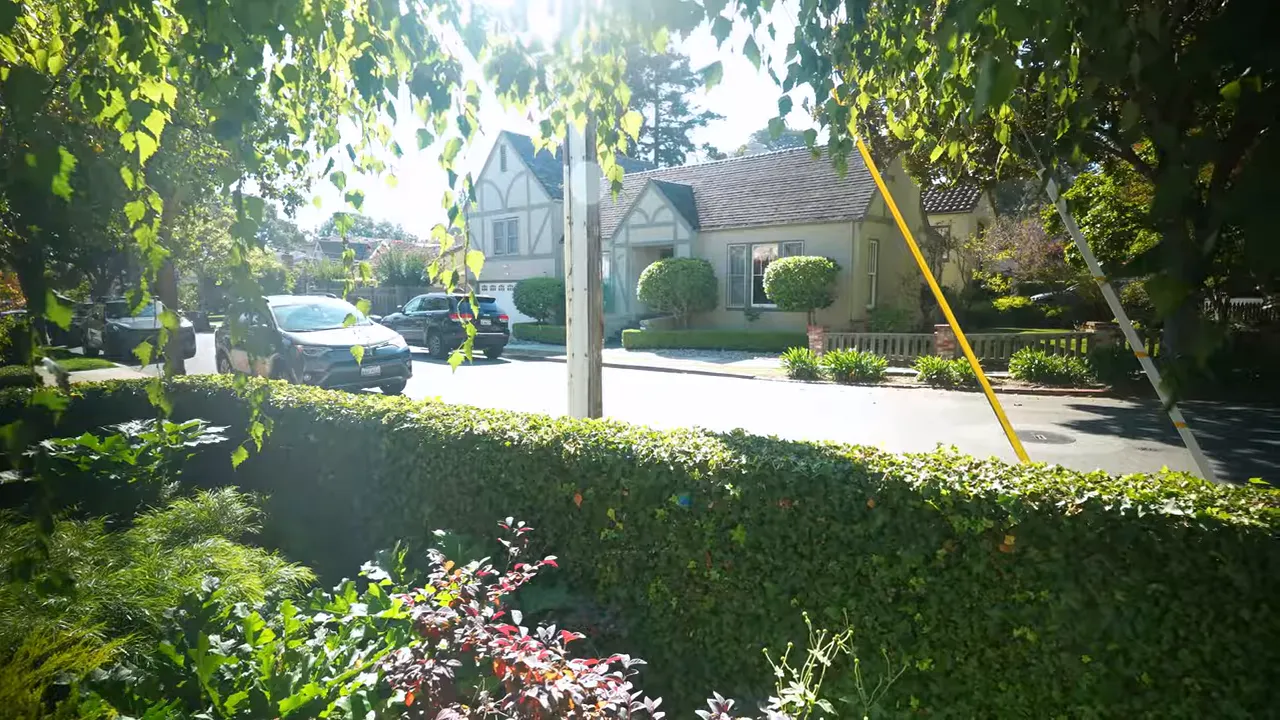
To understand the practical side of living here, imagine a well-updated Tudor-style house on a quiet horseshoe street. These are the features that attract buyers and hold value.
Entry and living spaces
A formal living room with arched doorways, 5-inch baseboards, crown molding, and large windows underscores the historic character. Hardwood floors—often original wide-plank—add warmth. For many buyers drawn to the most expensive neighborhood in Burlingame, this balance of original detail and thoughtful modern upgrades is a major selling point.
Kitchen and family areas
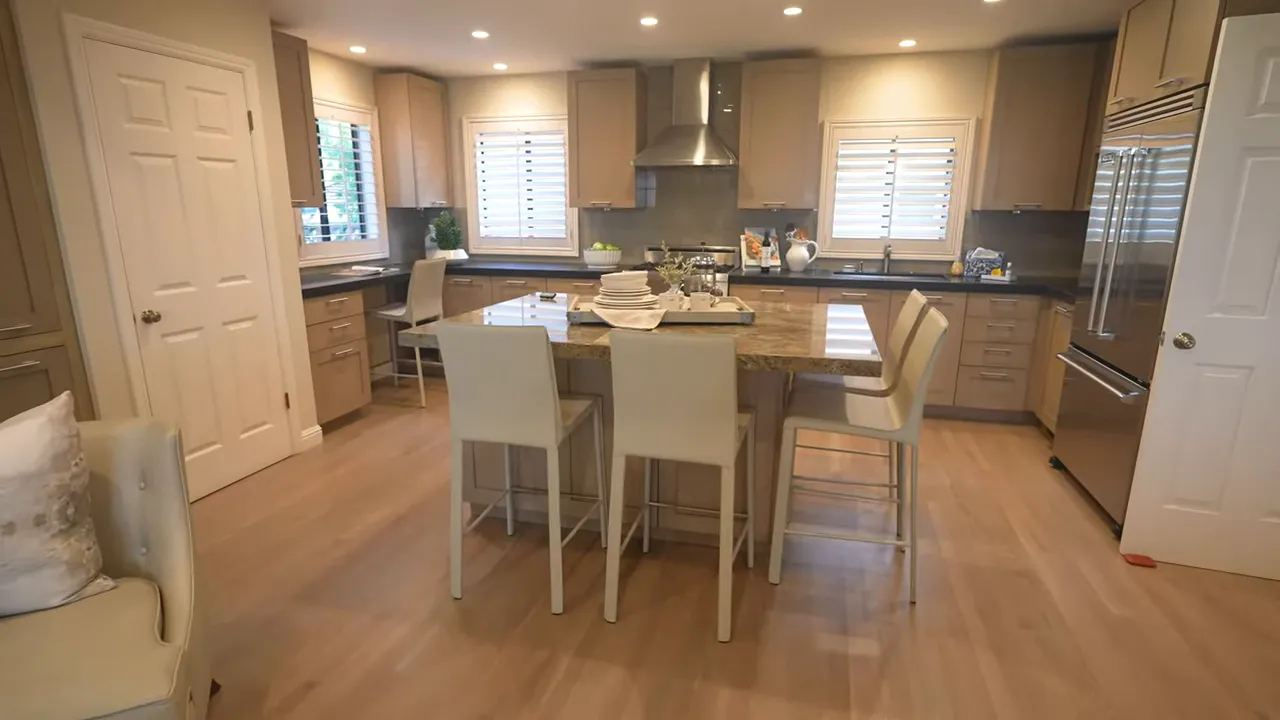
Open kitchens with islands that seat four, custom cabinetry, and a pantry with pull-out shelves are common in updated homes. Buyers prefer kitchens oriented to the back yard for flow and family living; these layouts command higher prices. Small choices like a prep sink, built-in desk, and high ceilings contribute to comfort and resale value.
Bedrooms and upstairs layout
Efficient second-story plans often include a generous primary suite plus two or three additional bedrooms. A second-floor laundry may be desirable in new builds, but many classic homes keep laundry and one generous half-bath on the ground level. Multiple ensuite options or flexible rooms that can double as offices add to a home’s utility and appeal.
Backyard and privacy
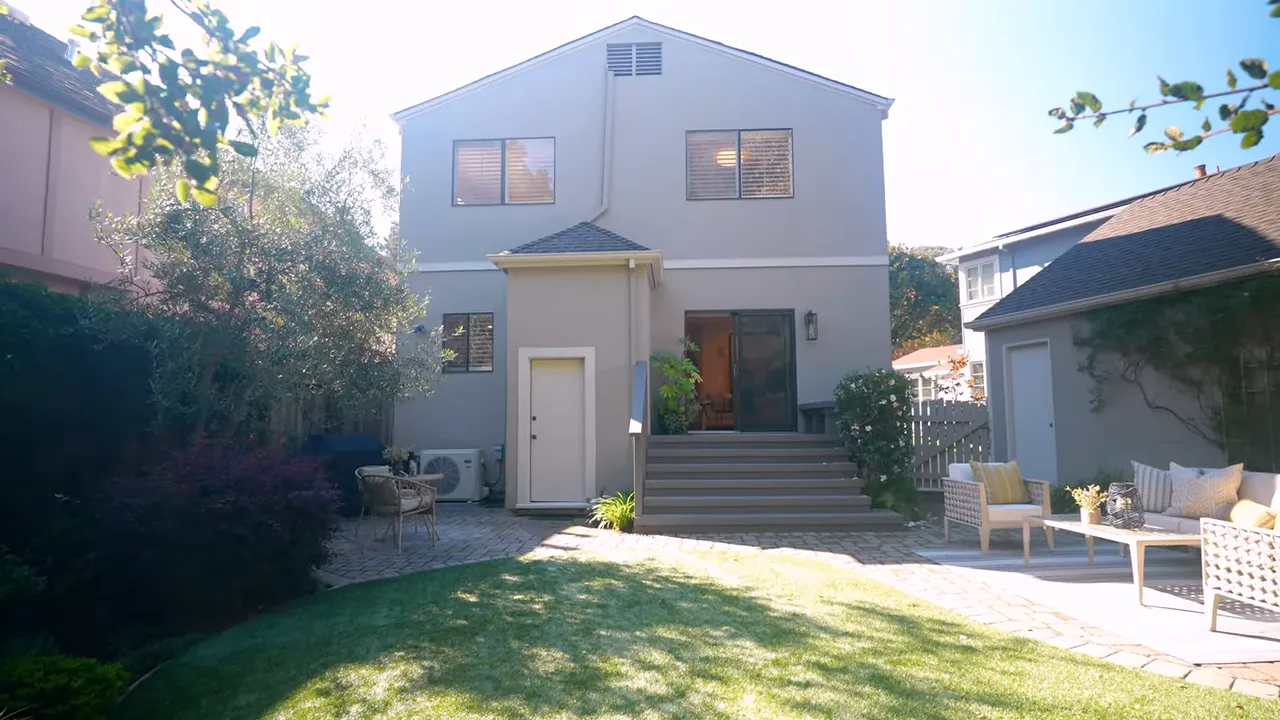
Backyards in Easton Addition can feel unusually private. Some lots back onto creek corridors or park buffers that provide a sense of space and seclusion uncommon for flat neighborhoods. Long driveways and detached garages are typical; buyers who prefer attached garages may find those options in newer homes or neighboring districts.
Crawl spaces and mechanicals
Under the house, clean crawl spaces with moisture barriers, braced water heaters, and accessible HVAC systems are a major practical plus. Buyers who inspect mechanicals closely appreciate easy access, minimal efflorescence, and solid drainage planning. Seismic upgrades such as shear wall reinforcements are additional value-adds in this region.
Buying in Easton Addition: Practical Things to Know
If you are trying to compete for a home near the most expensive neighborhood in Burlingame, here are straightforward points to keep in mind:
- Plan for timelines: A tear-down plus new construction usually requires about 2 to 2.5 years from purchase through planning and build time.
- Understand lot economics: A 6,000 square foot lot in Easton Addition often carries a land value near the low to mid $2 millions. Adding a modern 3,000 square foot build will increase final cost into the mid to high $5 millions depending on finishes.
- Garage vs ADU options: Detached garages are common; many buyers convert garages to ADUs or living space. Think holistically about storage, bikes, and long-term flexibility when planning conversions.
- Flood and creek concerns: Living near creeks adds privacy but could require flood insurance or additional lender requirements. Check elevation, local history, and drainage before buying.
Where Easton Addition Sits Within Burlingame
If the goal is proximity to the most expensive neighborhood in Burlingame—Burlingame Park—Easton Addition offers a competitive alternative with larger lots in many locations and a slightly different street rhythm. For buyers who want a flat, walkable neighborhood with mature shade and strong schools, Easton Addition often ends up at the top of their list.
A Quick Buyer Checklist Before Touring Easton Addition Homes
- Confirm lot size and potential buildable square footage.
- Ask about garage configuration and ADU feasibility.
- Review any recent drainage or foundation work and ask to see the crawl space if accessible.
- Check commute times to major transit hubs and verify walking routes to schools or shops.
- Compare neighborhood sales in the $3 to $3.7 million range—there is typically a supply gap there, so be ready to act.
VIEW HOMES FOR SALE IN BURLINGAME, CA
FAQs About Burlingame's 2nd Most Expensive Neighborhood
How does Easton Addition compare to the most expensive neighborhood in Burlingame?
Easton Addition ranks just behind the most expensive neighborhood in Burlingame in terms of median price but often competes strongly on lot size and variety of home styles. Burlingame Park remains the top-priced pocket, yet Easton Addition offers a higher percentage of larger homes and more frequent new builds, which keeps it highly desirable.
What price range should buyers expect in Easton Addition?
Expect starter listings in the neighborhood to begin in the low $3 millions for homes that need work or are smaller. Fully renovated and newer 3,000 square foot builds typically sit in the mid to high $4 millions into the $5 millions depending on finishes. There is strong demand for homes in the $3 to $3.7 million band and relatively little supply.
Are lot sizes larger than surrounding Burlingame neighborhoods?
Most lots in Easton Addition are around 6,000 square feet, which is larger than the typical 5,000 square foot parcels found east of El Camino. That extra depth allows for larger new construction and contributes to the neighborhood’s position right behind the most expensive neighborhood in Burlingame for value.
What are common renovation or conversion opportunities here?
Common projects include garage-to-ADU conversions, basement or under-house improvements, and full tear-downs followed by 3,000 square foot modern homes. Buyers often focus on creating open-plan kitchens that face the backyard, adding an additional bedroom or primary suite, and improving mechanical systems and drainage.
How walkable and transit-friendly is the neighborhood?
Easton Addition is among Burlingame’s more walkable neighborhoods. Southern blocks are a short walk from Broadway shops and restaurants, while northern parts are near Burlingame Plaza and transit options. BART and Caltrain are accessible by bike or a 10–20 minute walk depending on your exact block.
Final Notes
Easton Addition blends historic charm, practical lot sizes, and a community-oriented lifestyle in a way that keeps it perpetually competitive with the most expensive neighborhood in Burlingame. Whether you want original details, room for an ADU, space for kids to play, or a smoothly upgraded modern floor plan, this neighborhood is worth a thoughtful look.
Next steps for prospective buyers
Walk the neighborhood on a weekend morning, visit different streets, and note which blocks feel right for your family and routine. Pay attention to lot orientation, driveway length, garage type, and tree coverage. If you plan to build or renovate, talk with designers and builders who know Burlingame zoning and drainage conditions. Finally, be prepared for a competitive market in the $3 to $4 million band, where demand outpaces supply.
If proximity to the most expensive neighborhood in Burlingame is part of your criteria, Easton Addition deserves a top spot on your list. Its mix of character, scale, and convenience creates a neighborhood that many families and professionals actively pursue.
Read More: 9 Things Buyers Struggle With in Burlingame and Hillsborough’s Hot Market